
Transport Notes for New Zealand with Kids
Transport Notes for New Zealand with Kids
A quick overview of the main transport options in New Zealand with children — how to choose between driving, campervans, buses, and rideshares, and what to expect.
Choosing your main mode
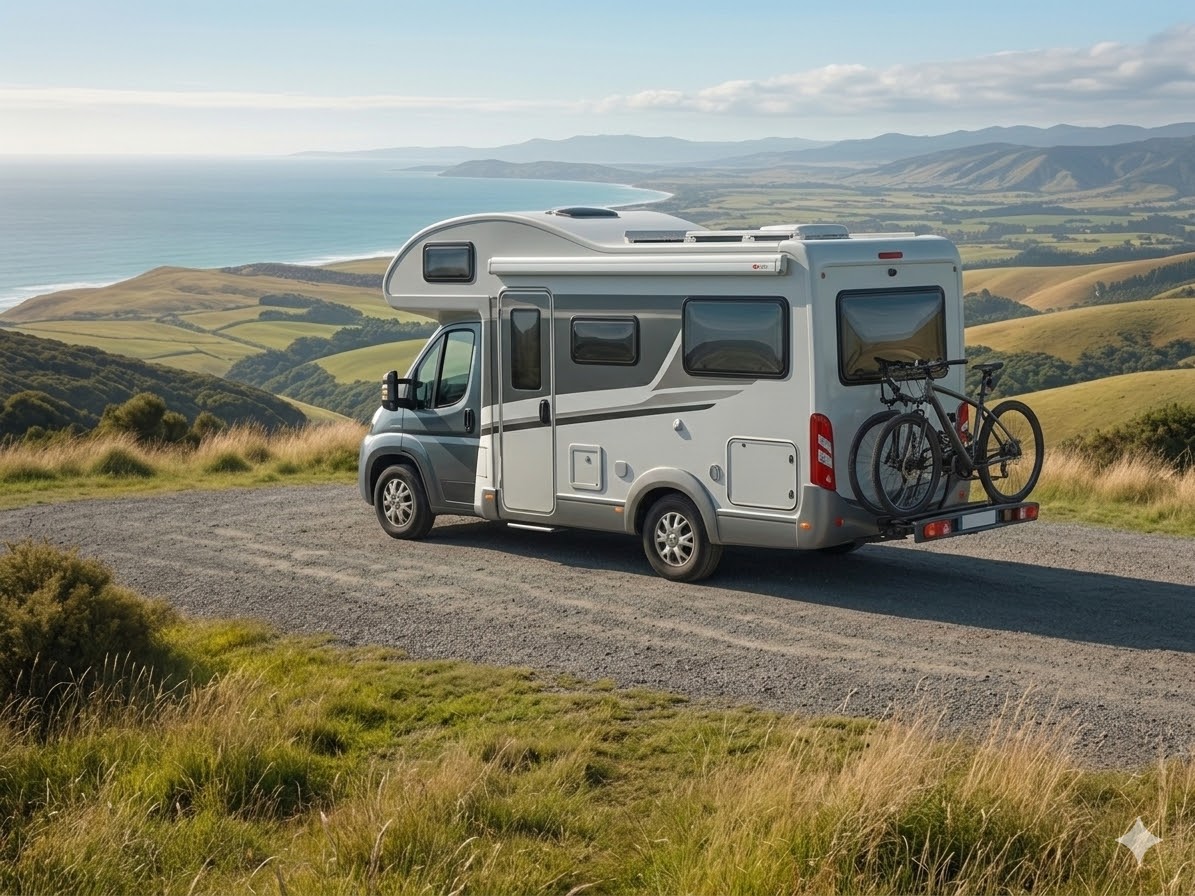
For most families, the choice is between a rental car, a campervan, or relying on buses and organized tours. A campervan gives you maximum flexibility, your bed and kitchen with you, and kids who love the adventure — at the cost of a bigger vehicle and slower travel days.
A standard rental car works well if you prefer staying in motels or apartments and doing day trips from a base. Buses and tours can fill in gaps, but they rarely reach the most scenic hikes and remote beaches that make NZ special, so most families end up driving in some form.
Driving & left‑hand traffic
If you are used to driving on the right, New Zealand’s left‑hand traffic takes a couple of days to feel natural. Intersections and roundabouts are where most mistakes happen, so repeat the mantra “keep left, look right” until it becomes automatic.
Roads are generally well maintained but often narrow and winding, especially in the South Island. Do not trust Google Maps’ optimistic timings; add extra time for slower roads, photo stops, and kid breaks. For a deep dive into road rules, campervan tips, and scenic routes, see our dedicated tip on driving in New Zealand with kids.
Campervan life on the road
Travelling by campervan is one of the best ways to see NZ as a family, but it changes how you plan your days. Allow time in the morning to pack up, secure everything inside the van, and empty or refill tanks if needed — leaving a campsite always takes longer than leaving a hotel room.
Strong wind and steep mountain passes are common, so keep both hands on the wheel and use lower gears on long descents. For the onboard toilet, pick up chemical toilet tabs at a fishing and hunting store or similar outdoor shop; they are compact, easy to use, and often better value than buying at the rental counter.
Buses & public transport
Public transport works reasonably well within some cities, but coverage outside the main centres is limited, and schedules may not match kids’ routines. Treat buses as a complement to your main transport rather than your primary mode.
On routes where buses do make sense, factor in extra time for getting to and from stops with children, and always have snacks and entertainment ready — waiting at a chilly bus stop with hungry kids is nobody’s idea of fun.
Rideshares & taxis
In larger cities, Uber is often the easiest way to handle short hops with children, especially at the beginning or end of a long travel day when everyone is tired. It is faster than figuring out local buses and can be cheaper than a rental car for the odd city day.
New Zealand has a special rule that kids do not legally have to wear seatbelts in taxis, but from a safety point of view, it is still better if they do. If you know you will use taxis or rideshares a lot, consider a compact, travel‑friendly child seat or booster that you can carry with you.